What are chelated vitamins, and what benefits do plants gain from using these elements?
News 2026-08-18
Plant Chelated Vitamins
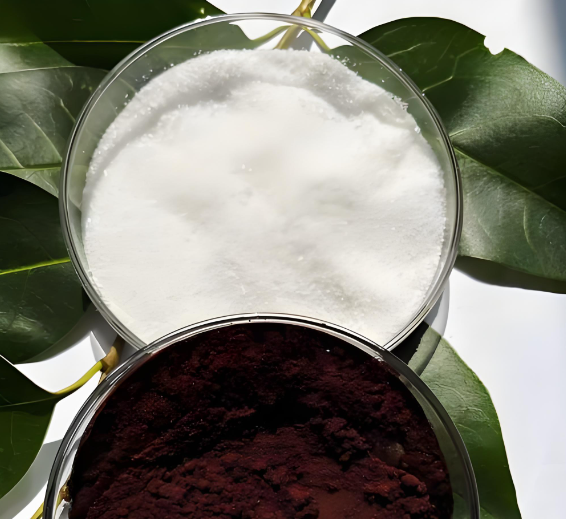
Core Attribute: A nutritional supplement that combines vitamins with chelation technology, enhancing vitamin stability and bioavailability through chelated structures.
Common Form: Primarily distributed as dietary supplements; related products are available through nutritional supplement channels.
Phytosiderophores (Plant Chelators)
Core Attribute: Small molecular peptides synthesized by plants under heavy metal stress, with a general structure of (γ-Glu-Cys)n-Gly (n=2~11).
Core Function: Chelate heavy metal ions to form low-toxicity complexes, sequester them into vacuoles to reduce toxicity, serving as a key substance for plant resistance against heavy metal damage.
Vitamin C-Chelated Iron (Agricultural Grade)
Core Attribute: An agricultural chelated iron fertilizer using vitamin C as the chelating agent to bind iron ions.
Core Function: Prevents oxidation of iron ions, improves iron uptake in crops, and addresses problems such as chlorosis and yellowing caused by iron deficiency in plants.
There are many definite benefits for plants to use such chelated elements
The term “this type of element” refers to various chelated medium and trace elements. Plants benefit significantly from using these chelated forms, with the key advantages as follows:
Significantly enhanced nutrient uptake efficiency
Avoidance of element antagonism: Chelated elements eliminate over 90% of competitive antagonistic reactions among ions, preventing nutrients from being fixed by soil components such as phosphorus and potassium, thereby increasing absorption rates by 3 to 5 times compared to conventional elemental fertilizers.
Dual-path rapid absorption: These elements can be directly absorbed through leaf stomata via foliar application, while also being actively transported through roots to all plant organs, effectively solving the problem of traditional micro-fertilizers—where high application does not lead to sufficient absorption.
One-stop supplementation of all essential nutrients, specifically addressing nutrient deficiency issues
Calcium element: As the core component of cell walls, it enhances fruit hardness, reduces physiological diseases such as cracking and blossom-end rot, and improves the cold and drought resistance of crops as well as the storage and transportation stability of fruits.
Magnesium element: As the core component of chlorophyll, it ensures efficient operation of photosynthesis, promotes the synthesis of sugar and proteins, and helps crops absorb phosphorus, supporting flower bud differentiation.
Iron element: Participating in chlorophyll synthesis and electron transfer in respiration, it prevents young leaves from losing green color and chlorosis, prevents “yellow leaf disease” in crops, and quickly restores tree vigor.
Zinc element: Participating in the synthesis of auxins and electron transfer in respiration, it avoids leaf chlorosis and yellowing, prevents “small leaf disease” in crops, and promotes normal growth of new shoots, enhancing pollen vitality and crop fruit setting rate.
Copper element: Strengthening the activity of crop oxidation enzyme system, enhancing the crop’s disease resistance, and promoting pollen germination, increasing the success rate of pollination and fertilization.
Manganese element: Improving the efficiency of photosynthesis, promoting nitrogen metabolism as an enzyme activator, enhancing the crop’s antioxidant capacity, and accelerating the fruit expansion speed.
Boron element: Promoting pollen tube elongation, significantly reducing the rate of flower and fruit drop, reducing fruit deformity, increasing sugar accumulation in fruits, and promoting the transportation of nutrients within the crop.
Molybdenum element: As the core component of nitrogenase, it helps leguminous crops efficiently utilize soil nitrogen, promotes vitamin synthesis, and increases the content of VC in fruits.
Enhancing the comprehensive stress resistance of crops
The synergistic effect of chelated multi-element supplementation, with iron, manganese, zinc, copper and other elements strengthening photosynthesis, boron element promoting sugar transportation, and various elements supporting each other, further amplifies the fertilizer effect.
Enhancing the tolerance of crops to drought, high temperature, low temperature, salt and alkali, reducing the occurrence of physiological diseases, and avoiding the soil compaction problem caused by long-term use of traditional micro-fertilizers.
Inquiry
Send your inquiry for further information.